Author: George

  • I had a 100% close rate on this offer for my dog Stanley

    I had a 100% close rate on this offer for my dog Stanley

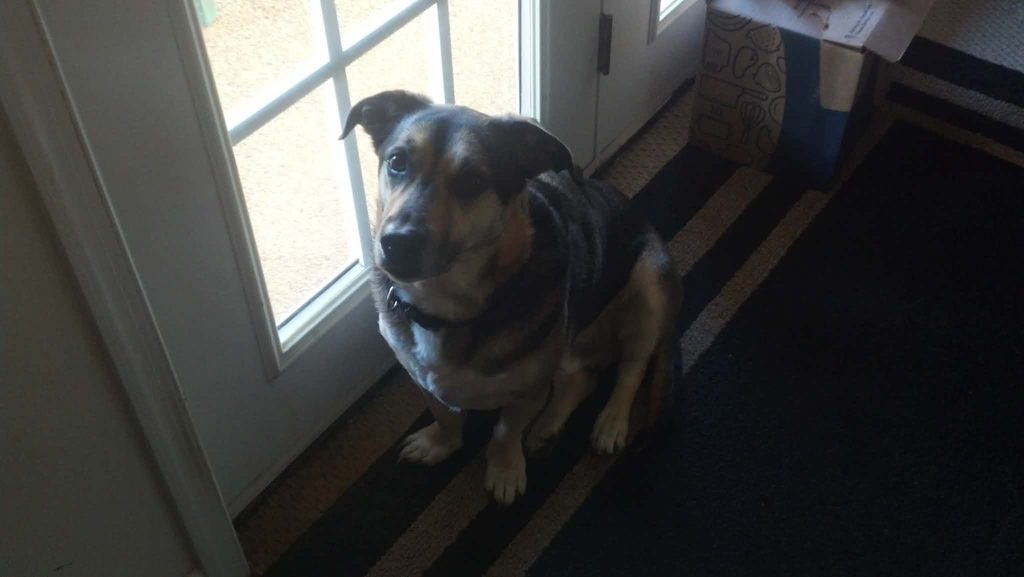
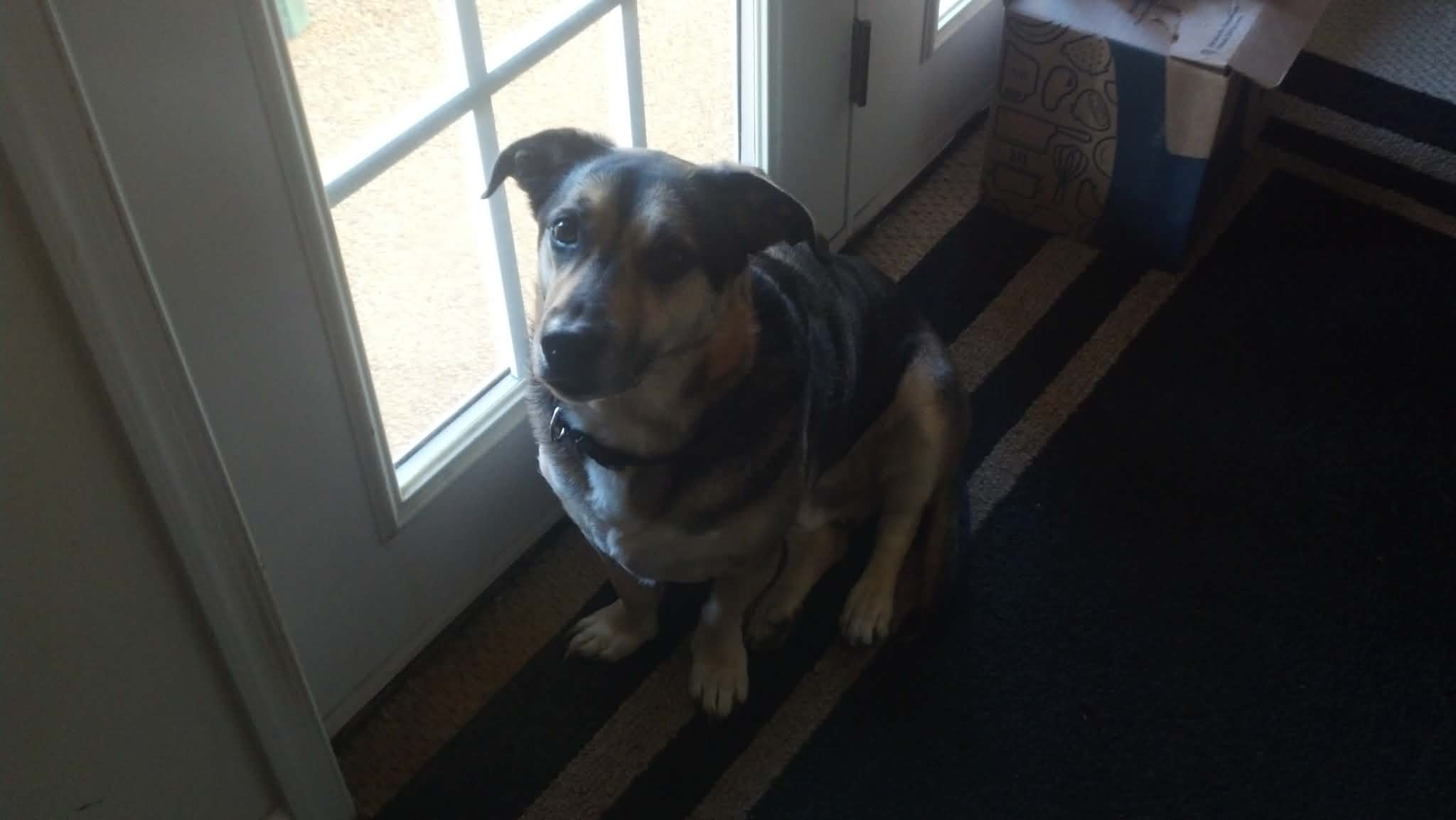
    I used to have a dog named Stan who crossed the rainbow bridge about 3 years ago.

    Every morning, I’d see him laying there in his dog bed.I’d ask…”You want to go outside for a walk?”

    He’d immediately leap up, do one of those “big stretches” and start jumping up and down.

    Then he’d run to the door, and wait for me to get his leash.I didn’t have to sell him on the walk.

    He just needed to hear that one word.Contrast that with trying to sell one of your products.

    You can be excited about asking someone if they want it.

    But if you’re not grounded in your excitement, it can sound like an overcompensation because it’s coming from a place of “I’m not sure if they really want this.”

    In my experience, that grounding comes from offering something I know people want.

    In the case of Stan, I was pretty sure he wanted to go outside.He’d been sleeping all night.He probably had to pee.

    And I wanted to go outside too.I didn’t have to say…

    “Stan this is going to be the best walk you’ve ever been on. You’re never going to think about going for walks the same way again. If you’re not fully satisfied with this walk I’ll promise I’ll make it up to you.”

    If Stan was a human and understood language, he’d probably be like “why’s this person trying to sell me so hard, I said I’m in.”

    All I had to say was…Hey… do you want to go for a walk?

    And he’s like… “oh definitely!”
    ^^ Stan responding to my walk offer: Take my money George!

    So if you’re a founder and you’re not getting that “oh definitely” response from your audience, maybe you’re not giving people what they really want yet.

    Maybe you’re misreading them a bit.Maybe you think your product is the solution, but you haven’t made them care yet.

    Maybe you’re tired of selling the same product over and over and you sound bored in your offers.

    Maybe you haven’t empathized with their situation yet.And sure, the Stan example might sound like an oversimplified version of selling.

    But it can really can be that simple when you know what people really want.

    Until next time.

    P.S. The workshop for creating scripts and emails that sell without needing to spend hours editing and tweaking is coming next week.

    Stay tuned.
  • The YouTube algorithm likes it raw in 2026

    The YouTube algorithm likes it raw in 2026

    Short one today since I’m still recovering from a cold.

    Yesterday I wrote about how my top YouTube videos were focused on being raw and authentic.

    I’ve also worked with founders who wanted to write super detailed scripts that were focused on knowledge.

    Both of these formats can work, but for my own personal videos, the raw and authentic approach has been working best.

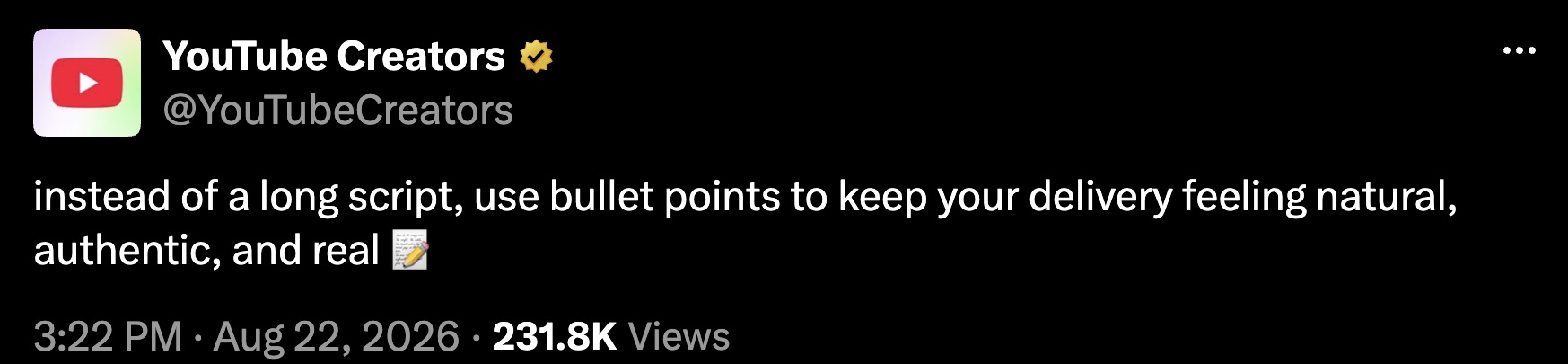
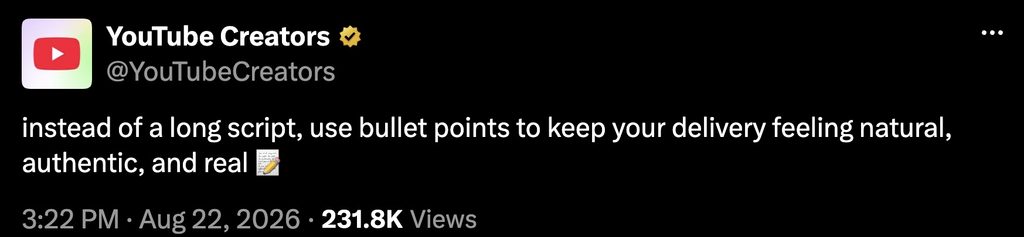
    This recent post on X from YouTube Creators confirms why that might be.

    Screenshot

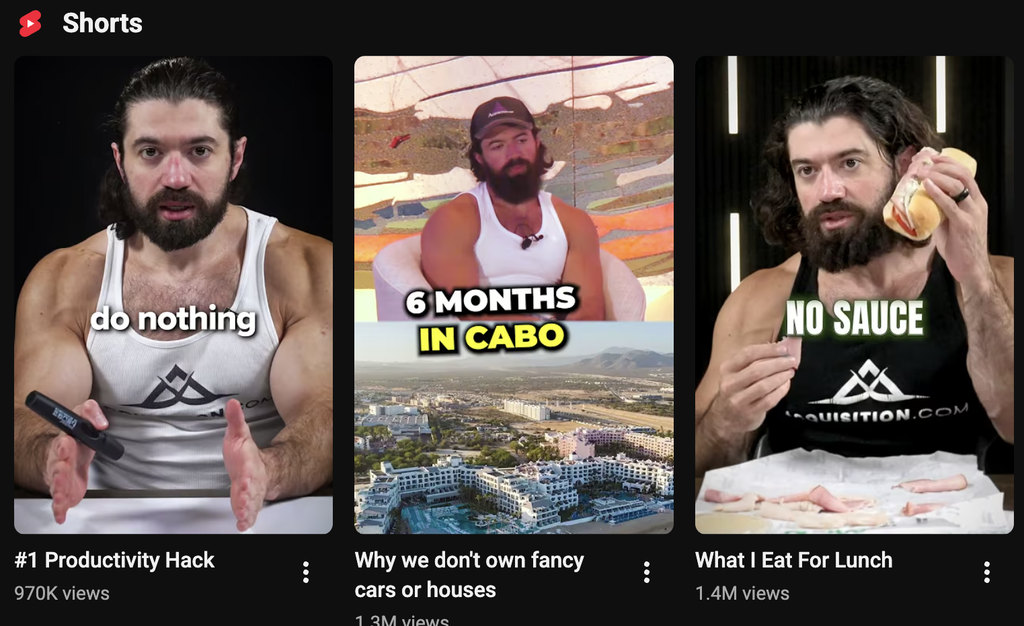
    I’ve also noticed other top entrepreneurs in the space like Alex Hormozi going for this short and real style as well.

    Gone are the days of “in my garage” when Tai Lopez talked about his lambos.

    I’m sure biz owners are still doing that kind of marketing, but I think it’s become less mainstream.

    And after 2 months of my own experimentation – I’ve found this raw and authentic style to be working better for retention.

    Dressing down, more unpolished, and making it feel like you’re talking to someone on a regular day is showing better results.

    Also, keeping the video under 7 minutes can add up over time and create a “binge” effect for your videos.

    The best part though – it makes the videos easier to create.

    You don’t need a fancy team or anything.

    So remember, raw and authentic works, and keep videos short to get more investment from your audience without it feeling like a big investment.

    Hope this helps.

    Until next time.

  • Lessons from my first month of YouTube videos

    Lessons from my first month of YouTube videos

    Last month, I started my own YouTube channel.

    I said I was going to do this with my mission to YouTube Mastery.​

    I had multiple clients reaching out saying they wanted help in the video space.

    So my goal was to get at least 20-50% retention on each of my videos, and help my clients incorporate those lessons.

    I haven’t hit that 50% retention goal… yet.

    But I’ve had a few winners, and I’m already noticing some lessons.

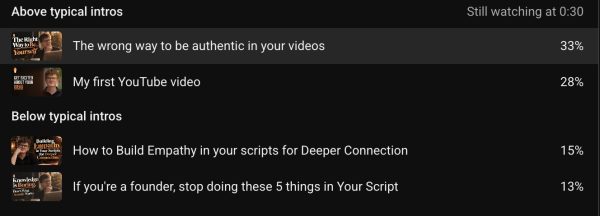
    For example…I had a 28% retention on the “My First YouTube Video.”

    Not bad.

    But I chalk that up to “who’s this new guy” curiosity.

    However, my highest performing YouTube video, “The Wrong Way to Be Authentic,” had a 33% retention rate.

    That’s solid retention.

    And once I rewatched the video, I could see why it was better.I was cracking some jokes.

    I was more off the cuff.

    Plus, I was also giving a unique take that I hadn’t told anybody yet.

    The other two videos were “How to Build Empathy” and “If you’re a founder, stop doing these 5 things” were more generic, tutorial focused.

    It’s also interesting that the “stop doing 5 things” had the most views (almost 1k), but had the lowest retention.

    So the hook was clearly good, but the content itself didn’t land.

    So the big insights here…

    – People want substance, but they mostly want to be entertained, so entertain them first.
    – Next time you have a unique take, immediately pull up your zoom and record it. You don’t have to publish, but record as soon as you can
    – If you have a great hook, that can lead to views, but it doesn’t necessarily lead to retention

    I’ll be doing some more analysis of my videos in the future, and I’m excited to double down more on what’s working.Until next time.

    P.S. I’m working on a new workshop where I help founders become their own creative director by outlining scripts and emails.

    This goal with this is to clear space in your brain, so you can ship more stuff that’s authentic to you so you can increase retention and engagement.

    I’ll have it ready soon.
  • I bought her a pie anyway

    I bought her a pie anyway

    It was pie day, March 4, 2016 to be exact.

    I was sitting in a pie shop, about to confess my undying love to a girl I’d known for a year.

    The only problem: I could already tell she didn’t feel the same way.

    I did it anyway.I bought her a pie.

    She got mad that I was paying and tried to beat me to the counter.

    Too late.

    My card was already out.

    We sat down.

    I told her.

    She said, “That’s sweet.”

    And left it there.

    Ouch.

    We spent the rest of the time talking about the weather. Work. Whatever.

    I couldn’t wait for it to end.

    I believe incompatibility is a myth.

    That anybody can connect if they’d drop their guard and say the real thing.

    I put it to the test that afternoon.

    But walking out, I noticed something…I was fine.

    Bummed, but fine.

    The thing I was most afraid of had happened, and I was still standing.

    Two weeks later, I asked another girl out.

    We spent a glorious day together, and she was much more receptive.

    We’re still friends to this day.

    I don’t believe in coincidence.

    I think that positive experience happens because I survived the pie.

    I’ve also noticed it countless times in my business as well.

    I’ll get an unsubscribe, but then 3-4 more people flow back in, and they’re more aligned with me than the previous subscribers.

    Playing it safe leads to nothing interesting.

    I also see this all the time with the founders I work with.

    They’ve got something they’re dying to talk about.

    The weird idea.

    The method they actually love.

    The thing that gets them fired up.

    But they don’t say it.

    They might ask…What if people think I’m dumb?

    What if I lose money?

    What if the audience says “that’s sweet” and scrolls on?So they make the safe video instead.Nobody hates it.

    Nobody remembers it either.It might get them engagement or “go viral,” but they get no real sales calls from people willing to pull out their wallet.

    Here’s the thing.

    Some people will say “that’s sweet.”

    I know this person definitely wanted me to get out of their life as soon as possible.

    But the ones who light up when you finally say your real thing? Those are your people.

    You don’t find them any other way.You can’t be incompatible with an audience you’ve never actually shown yourself to.I’ll be honest.

    The pie shop girl still pops back into my life now and then.I’m not totally over it.

    But I’d buy that pie again.

    P.S. What’s the video you’d make if you knew nobody would judge you? Hit reply and tell me.
  • New Video: My first live writing demo

    New Video: My first live writing demo

    If you’re a founder, you know your business would get more clients if you just wrote more.

    But sometimes it can feel like pressure.

    You think you have a cool idea, but then you write it and it doesn’t quite land how you want it to.

    So you chug away trying to find it.

    Minutes go by.

    Then the minutes turn to hours.

    And you’re still struggling.

    You start to think your writing isn’t “interesting” enough.

    Or you’re not “controversial” enough to get a lot of clicks.

    I’m here to tell you that’s nonsense.

    Everyone has interesting ideas.

    Everyone has a voice.

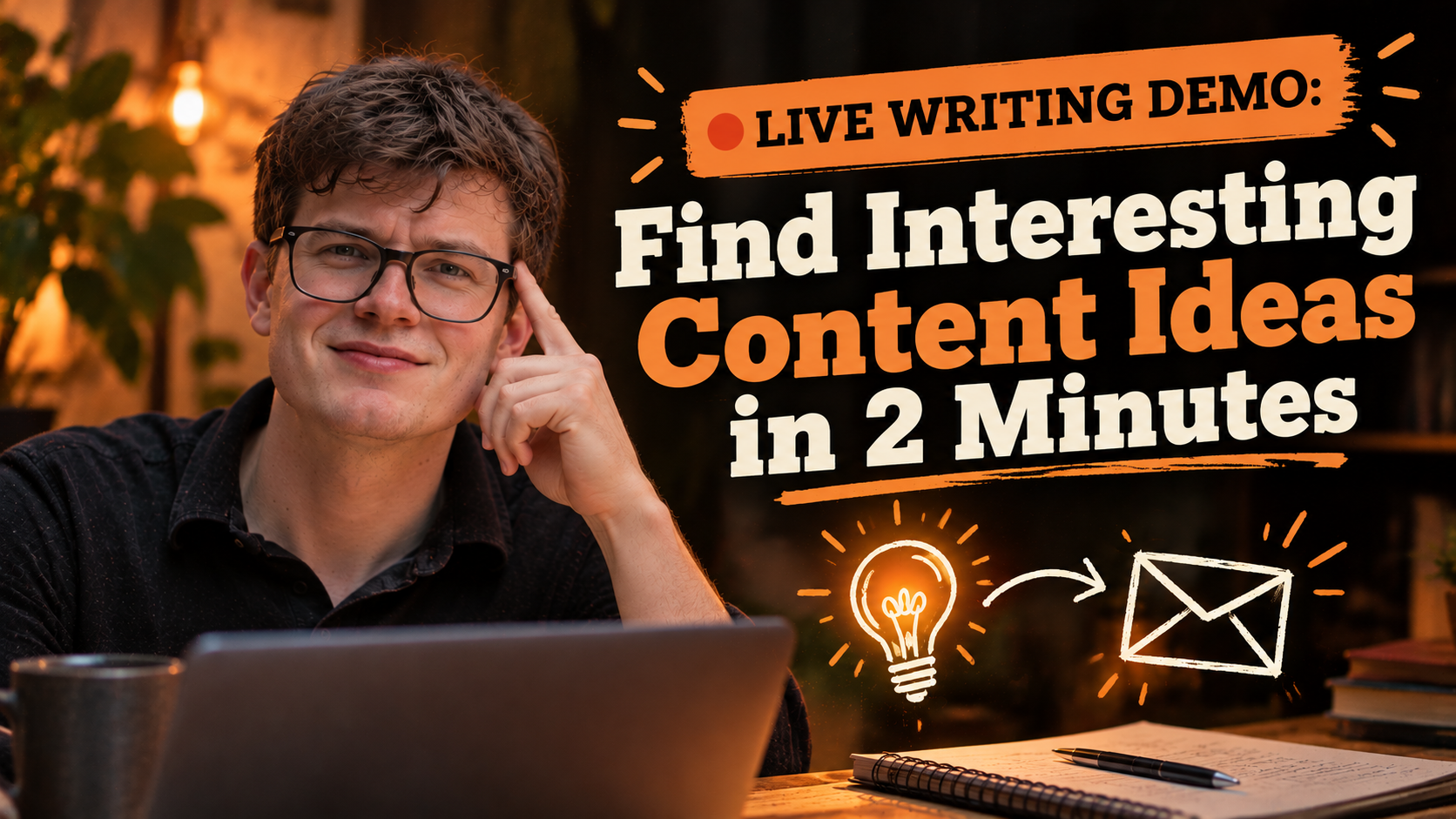
    It’s why I recorded this video where I find interesting ideas in my own voice in 2 minutes.

    By the end, you’ll see how simple this process is.

    Click here to watch.

  • I paid $158 for cookies

    I paid $158 for cookies

    I’ve been telling you I’m going to focus on seductive brands and the tactics they use. ​

    So I’m doing a breakdown of one of them today.

    The brand I’m looking at here is Last Crumb, a luxury cookie company that started out of Los Angeles in the early 2020’s.

    Seductive brand breakdown: Last Crumb

    The first thing that jumps out with Last Crumb is the price.

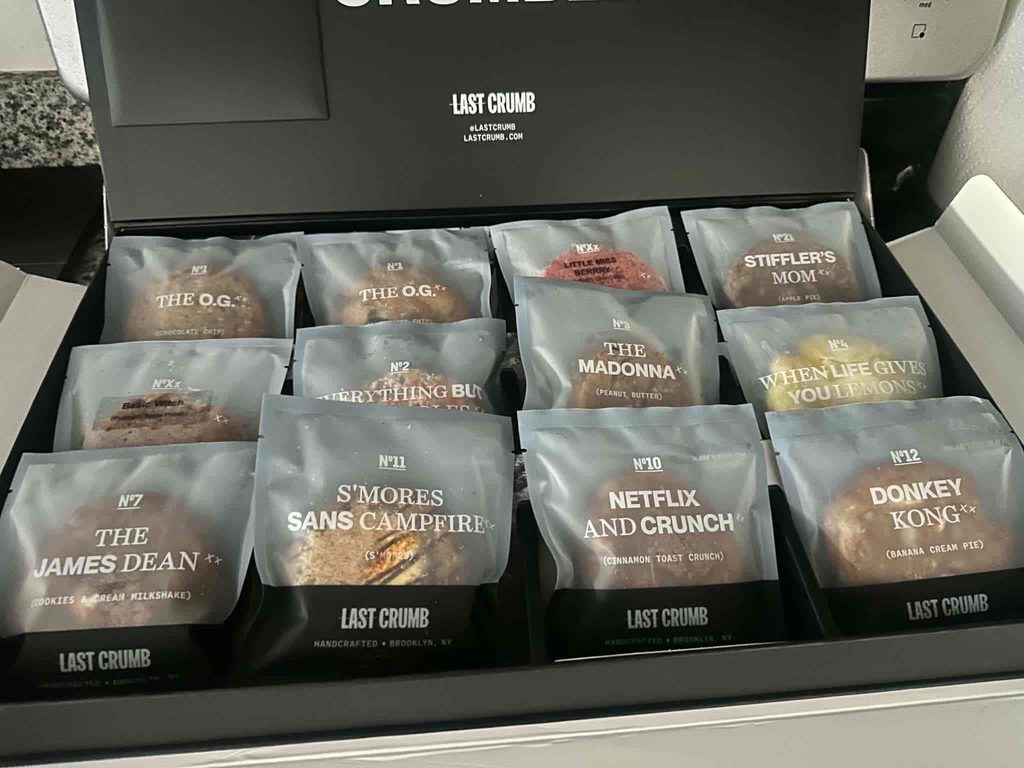
    One box of 12 cookies costs $158 w/shipping and tax.

    And I know you’re thinking…

    “That’s insane for 12 cookies.”

    And that’s the point.

    You’ll see comments on the ads saying things like… “I’d never pay that much for freaking cookies.”

    Then your mind goes…

    “Well, if they’re expensive, maybe they’re actually really good. Now I want to know.”

    Kind of like when every girl makes fun of Pete Davidson for dating really hot celebrities even though he doesn’t look like a male model.

    First they say…

    “Who does he think he is?

    Then the mind wanders…

    “Well, if he’s getting girls out of his league. There must be something about him.”

    That’s what Last Crumb is doing here with the price.

    They’re taking something that shouldn’t be this valuable (cookies) and making them appear valuable (charging $158 for 12 of them).

    Here’s some of the seductive tactics they use to justify the price.

    Seducer Brand Principle #1: They build anticipation with the unboxing

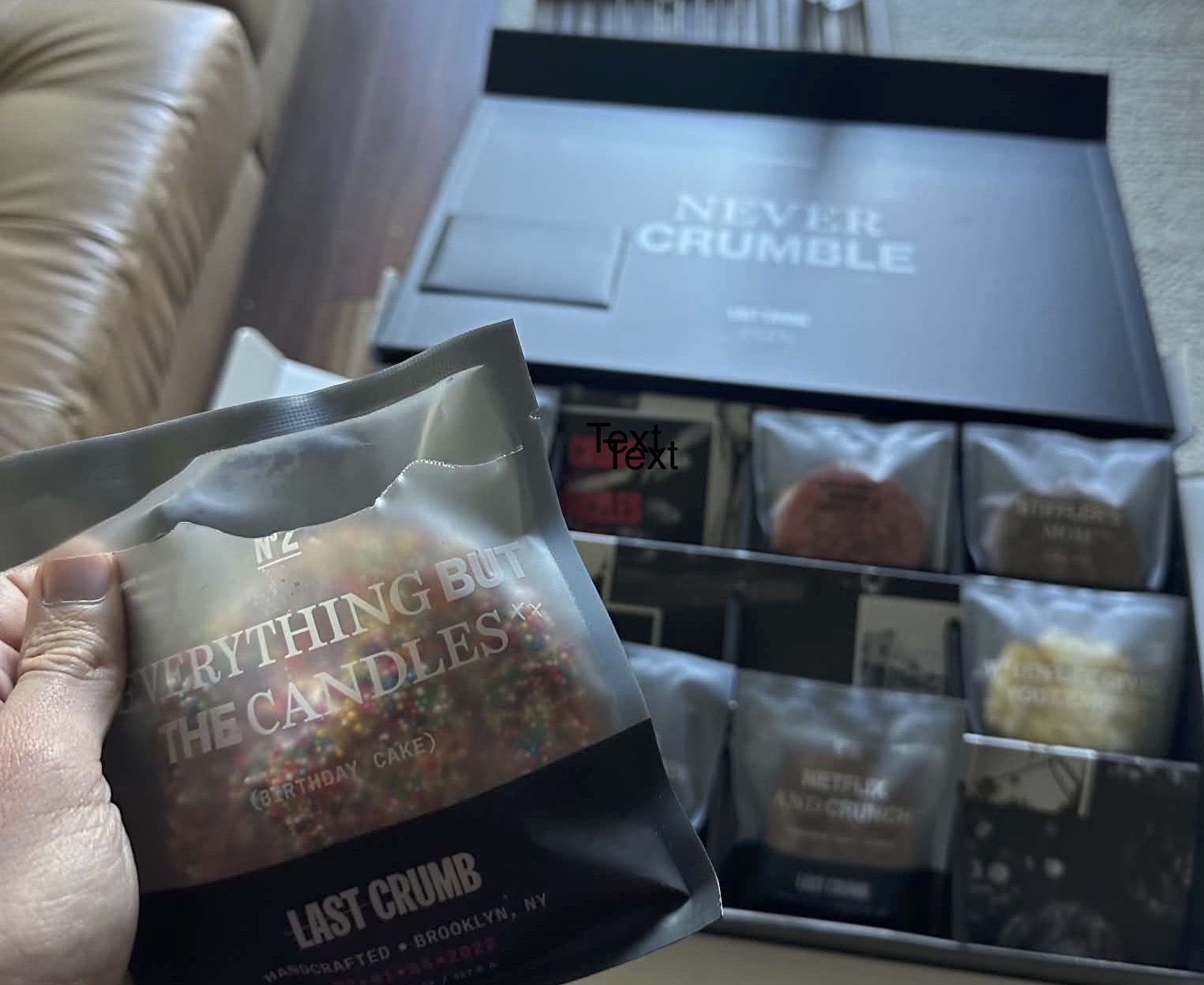
    The unboxing of the cookies is an experience in itself.
    It all unfolds smoothly.

    There’s no duct tape or annoying things to unscrew.

    Each cookie is individually wrapped.

    They have the cookie packages angled so you can see them all at once.


    Then there’s the big bold title on each cookie, and a sensory description on the back of each cookie wrapper, showing you the high-quality ingredients and what it will feel like to eat it.

    There’s even a book with a quote from famous rebellious writer Charles Bukowski.

    I gotta admit… I wanted to not like the Last Crumb experience because I didn’t think pre-packaged cookies could taste very good.

    But the marketing still worked on me.

    I found myself wanting to slowly eat each cookie. I paid $12 for it, after all. So the anticipation worked on me.

    I also found myself thinking about the next one.

    Summary: Create the experience and don’t leave any detail out.

    Principle #2: They played hard to get (but for real)

    Last Crumb built their brand on “weekly drops” that were designed to sell out almost instantly.

    But unlike a lot of brands that use “fake scarcity” like the countdown timer that isn’t even really true, Last Crumb actually started out using real exclusivity.

    They had a limited number of boxes, and they’d sell out in less than 1 hour.

    They’ve since moved on from the weekly drops model in 2023, but the reputation still proceeds them. People want what they can’t have.

    Summary: Exclusivity makes the product seem cool and special. Play a little hard to get.

    Principle #3: They use minimalist design to focus on the product
    Seductive brands don’t try to overexplain themselves.

    Last Crumb says “why wouldn’t you want this? Just look at it.”
    The minimalist design is a reflection of that.

    Here’s the picture of the box. Just a basic black color and a logo.

    Everything is a build up to the object of desire – the cookie.

    Anything else that gets in the way is scrapped.

    The design makes you feel like by the time you finally eat the cookie – it’s gonna hit harder and you’re going to remember it.

    I found this true in my experience of eating the cookies.

    I didn’t like all of them. The Donkey Kong Banana Cream Pie is the best one by far, with the birthday cake are lemon bar not far behind.

    But even though I didn’t like them all, I found myself appreciating and remembering them because of how they were packaged.
    Each cookie was an experience in itself.

    Summary: Don’t crowd the product with your needless copy and design. Let the product be the allure.

    Next week I’ll show how I’m using these tactics in my own offers, including one thing I stopped doing that made my offers more attractive overnight.
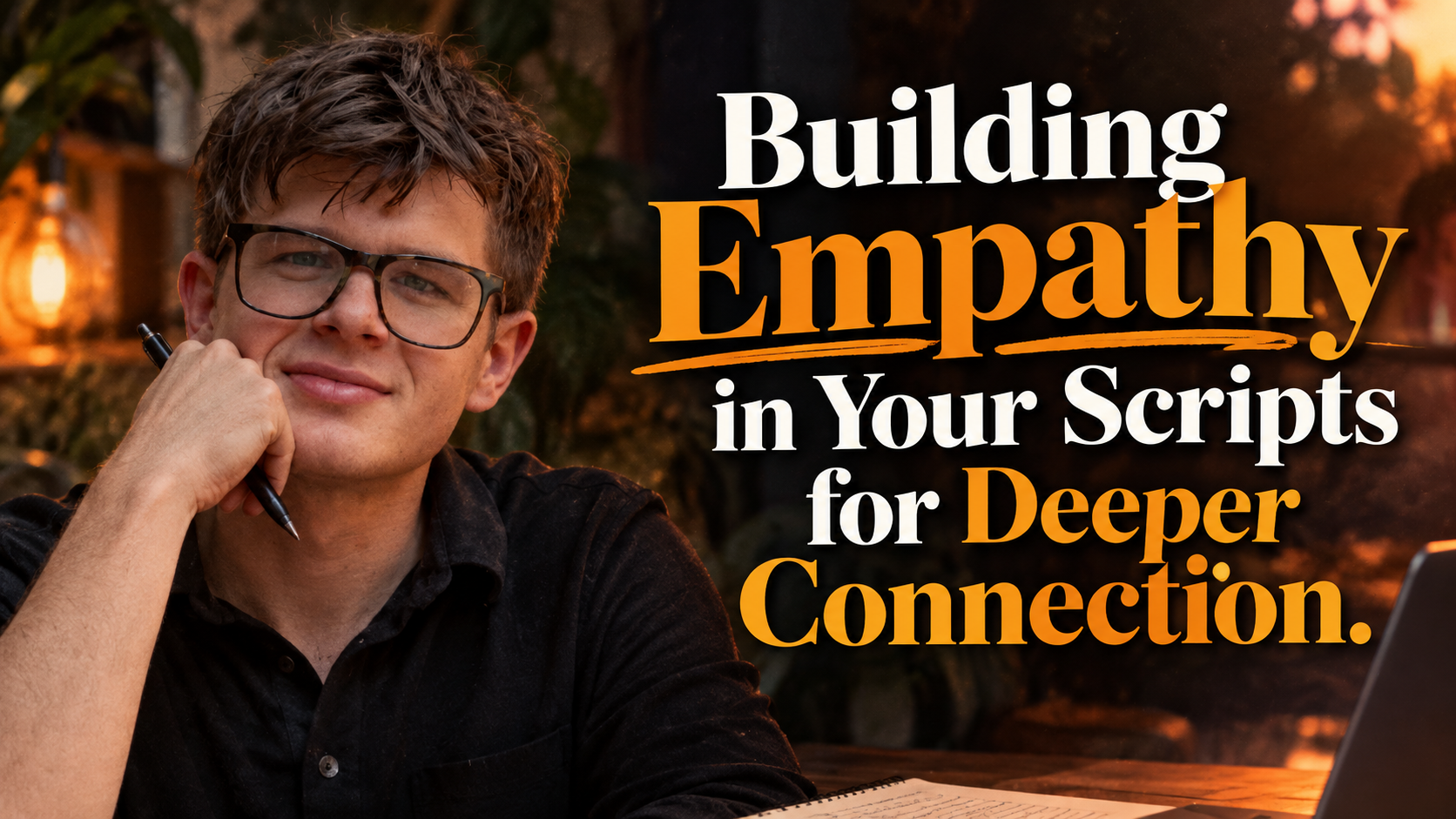
  • New Video: Building empathy to make your customer feel seen

    New Video: Building empathy to make your customer feel seen

    Empathy is one of the cornerstones of deep connection in copy.

    Get it right, and people feel seen and eager to know about your solution.

    Get it wrong, and they click off.

    So in today’s video, I go over how to build empathy in the tension section of your scripts.

    This will allow to connect better with your audience and make them more receptive to your offers.

    Click here to watch.

  • Turns out my workshop wasn’t about hooks at all…

    Turns out my workshop wasn’t about hooks at all…

    Often times I’ll think I have a great writing idea, but that idea is actually something else.

    Case in point.

    When I was hosting the “Electric YouTube Hooks” workshop last week, I thought I was going to teach people how to write hooks.

    But it turned out everybody could already write them.

    They were just buried behind “throat clearing” language.

    This was going against the principle in my “YouTube Hooks” principle document. ​

    That principle was… get right into the tension.

    That’s what the best YouTubers do.

    Mr. Beast, the top YouTuber in the world, shows you within 2.5 seconds exactly what the video is going to be about.

    So it turns out people didn’t need help writing hooks, just finding them.

    The gold was there, it was just buried.

    And when you find the gold faster, you can be in that creative flow where writing feels effortless, even fun.

    Sure, you can dig it out by being your own editor.

    But that’s slow and takes a lot of energy.

    It’s better to have a system where you can get to the gold before the throat clearing even shows up. Then you can write more, ship more, and attract more interested buyers.

    I’ve been building exactly that, and I’m turning it into a workshop.

    Stay tuned.

  • Founders don’t need a scriptwriter

    Founders don’t need a scriptwriter

    Here’s what surprised me about last week’s “Electric YouTube Hooks Workshop.”

    The writing was good. Like really good.

    So the people on this list clearly have the skills to make money with their scripts.

    But the skill isn’t the issue.

    The big problem I’m seeing is…

    People don’t know exactly how they want to say it.

    They have great ideas. They can write.

    But when it comes time to execute an entire piece, they struggle to write fast and with strong clarity in one or two tries.

    This is leading to a tedious experience that doesn’t feel “fun” or in flow.

    I see it every time I sit down with a founder.

    We end up spending hours writing our way into their idea.

    Draft…

    Delete, delete…

    Draft again…

    “Oh no that’s not that good. Let’s change it again.”

    This isn’t sustainable.

    Founders don’t have 3+ hours to sit around writing all day.

    They’ve got a business to run.

    And this frustration leads to some taking a generic chat GPT script, polishing it up, and putting it out there.

    I don’t want to see that happen.

    The real ones can tell, dude.

    We know when you’re using AI, and in the trust-based economy a confusing AI piece can hurt your reputation.

    I’m not saying this to dunk on anyone. I’ve seen smart founders do it.

    So what’s the solution?

    It’s simple.

    Founders don’t need a scriptwriter.

    They need to become their own creative director.

    A creative director doesn’t write every line. They know what the piece should sound like before it exists. And they can communicate that clearly to themselves or their team so they can create fast without sacrificing quality.

    This matters more and more each month as businesses flood your feed.

    Speed alone won’t work.

    Because you’ll just end up creating more AI garbage.

    The trick is staying authentic while you speed up.

    So here’s what I’ll be creating for you going forward…

    First, a simple writing process that helps you get to the bottom of what you really want to say fast.

    Second, a few AI tools for you to use.

    Important note: These AI tools will not write for you.

    They’ll be designed to help you get clear on what you want to say faster, so you can write like yourself.

    I’m excited about this one.

    I think once you start thinking like a creative director and not a content writer, you’ll write high-quality scripts faster than ever. You’ll also free up more time to run your business or do other things.

    It’ll be like a turbocharger for your brain – without the dystopian lack of connection.

    More details coming soon.

    Stay tuned.

  • My ego wants to swipe right on every client

    My ego wants to swipe right on every client

    One of the things I’m passionate about is the concept of world building within a business.

    World building isn’t about crafting a fantasy novel or anything.

    It’s channeling my creativity through my business to create a world I’d like to live in.

    I know that sounds abstract.

    So here’s what it looks like.

    Working with people who genuinely inspire me…

    Working on projects that align more with who I am and what I’m about…

    Telling the stories within those projects and relationships to attract more people of similar alignment.

    That’s all it is.

    Almost sounds too simple, right?

    I explained this to a friend on Friday, and I got so electrified I figured I’d write about it today.

    But there’s one more piece to the world building concept.

    And it’s the hardest part (for me at least).

    I have to be ruthless about saying “no” to everything else that doesn’t align with my world.

    This means never working with certain clients again, no matter how much money they dangle.

    That temptation is still real.

    I’ve succumbed to it several times, and each time wound up hating myself.

    It’s interesting… because even though I was making good money at these higher paying copy gigs… it was like the money always found a way to get sucked out of my bank account.

    I’d either spend it on stupid stuff ($60 bags of beef tallow chips, $500 sauna blanket to name a few things)…

    Or I’d have a mysterious health ailment that made me miserable for months.

    I’m not saying you shouldn’t buy frivolous stuff from time to time.

    But back then, it was the only thing I looked forward to.

    I’m also not saying taking on these gigs made me sick, though there was a clear pattern that was hard to ignore.

    In 2024, I was sick 4 times in one year. That had never happened to me before.

    In 2025, I had to have multiple $1000+ surgeries after neglecting to go to the dentist for 3 years because I was too preoccupied with trying to be an all-world copywriter.

    That’s why world building hit me so hard when I first heard about it.

    It’s definitely not for everyone.

    Most people just want to start making 10-20k a month and then scale like crazy.

    I’ve learned that isn’t me.

    Here’s why I love world building…

    • It goes against the traditional business model (work hard, scale, scale, scale)
    • It gives more agency to myself and my clients
    • It allows for greater creative freedom for myself and my clients

    Exciting.

    Over the last few weeks, I’ve taken on new subscribers and have more interviews with clients than I’ve had in the past 2 months.

    But that’s when my ego creeps in.

    It tells me I should do more stuff.

    I should take on all these projects.

    Do all the things.

    But those could knock me out of the world I’m building.

    So that’s the time when I need to remember why I’m doing this in the first place.

    In my case, it’s deep connection across all relationship types.

    Romantic…

    Friendships…

    Parental (if I ever decide to do that).

    And when things get overwhelming, I also do breathing exercises, which I detailed in an earlier blog post.​

    More subscribers.

    More opportunities.

    The world stays the same.

    Until next time.

    P.S. I’m still going through notes from the “Electric YouTube Hooks” workshop, and I’ve got an idea for a 2.0 version. Faster hooks, in your voice, aiming for 20-50% viewer retention.

    Stay tuned for more info on that.